

Post-traumatic stress disorder (PTSD) is often associated with younger veterans returning from military service. However, many older veterans continue to experience the effects of trauma decades after their time in uniform. In some cases, symptoms may even become more noticeable later in life due to retirement, health challenges, loss of loved ones, or changes in daily routines. Recognizing PTSD in older veterans is an important step toward helping them maintain their well-being, independence, and quality of life.
Veterans home care can play a valuable role in supporting older adults living with PTSD. By providing personalized assistance in familiar surroundings, in-home care can help reduce stress, encourage healthy routines, and create a greater sense of comfort and stability.
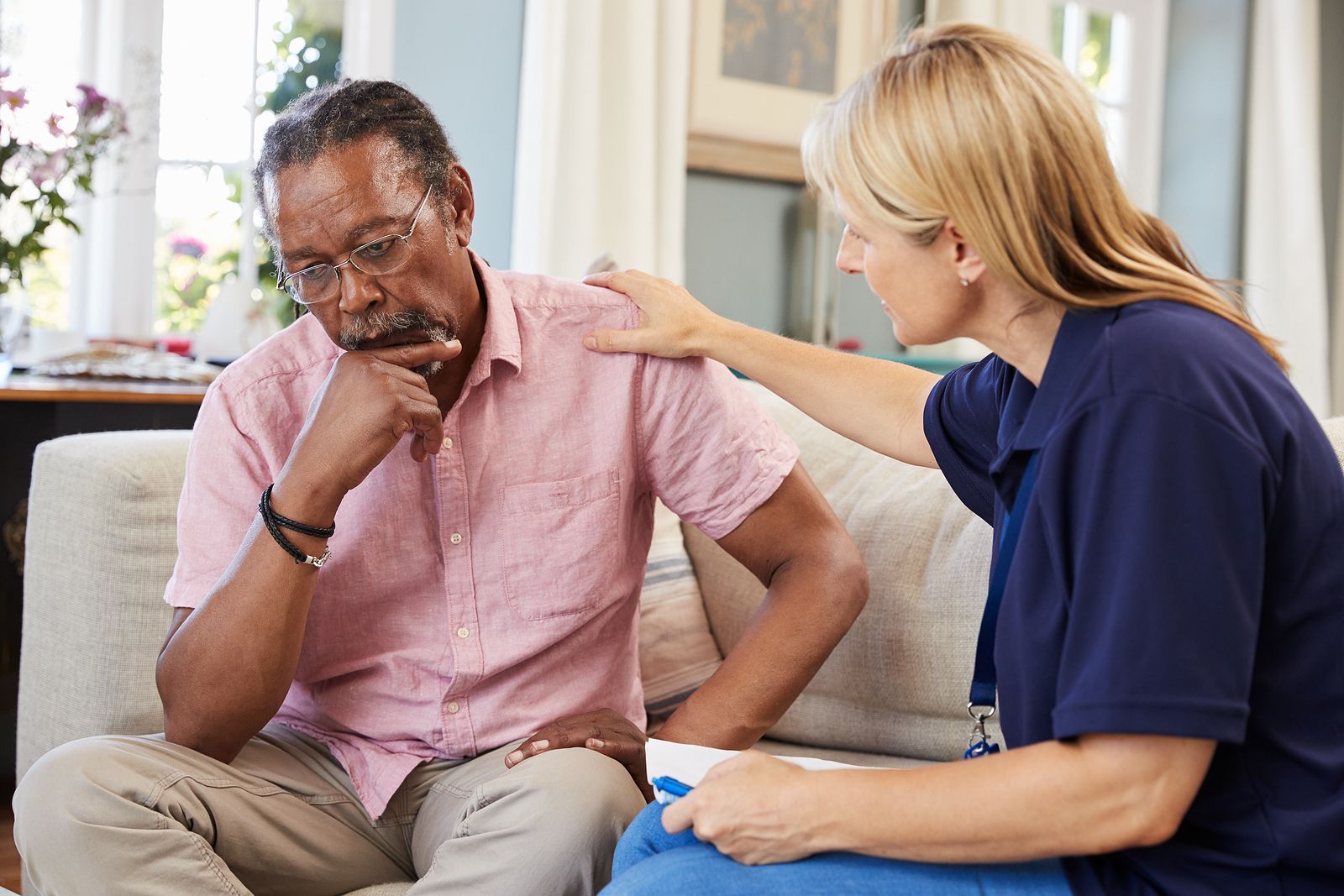
Understanding PTSD in Older Veterans
PTSD is a mental health condition that can develop after experiencing or witnessing a traumatic event. Military service can expose individuals to combat situations, life-threatening experiences, and other traumatic events that leave lasting emotional effects.
For older veterans, PTSD symptoms may stem from conflicts that occurred many years ago. While some veterans have managed symptoms successfully throughout their lives, aging-related changes can bring unresolved feelings to the surface. Physical health issues, cognitive changes, and social isolation may also make coping more difficult.
PTSD affects every individual differently. Some veterans may openly discuss their experiences, while others may avoid talking about military service altogether. Family members often notice changes before the veteran recognizes them.
Common Signs of PTSD in Older Veterans
Recognizing PTSD symptoms can help families seek support before the condition significantly impacts daily life. Symptoms may vary in severity and can fluctuate over time.
Some common signs include:
- Recurring memories or flashbacks related to military experiences
- Nightmares or sleep disturbances
- Anxiety or excessive worry
- Irritability or sudden anger
- Hypervigilance or being easily startled
- Avoidance of conversations, people, or places that trigger memories
- Feelings of guilt or sadness
- Social withdrawal and isolation
- Difficulty concentrating
Older adults sometimes experience symptoms differently than younger individuals. For example, PTSD may be mistaken for depression, dementia, or general aging-related changes. This makes careful observation especially important.
Why PTSD Symptoms May Increase With Age
Many veterans spend years building careers, raising families, and maintaining busy schedules. These responsibilities often provide structure and distraction from traumatic memories.
As individuals age, life circumstances may change. Retirement can leave more unstructured time, creating opportunities for intrusive memories to resurface. Physical limitations may reduce participation in favorite activities, while the loss of spouses or friends can increase loneliness.
Medical conditions may also contribute to stress and emotional challenges. Pain, reduced mobility, and chronic illness can make coping with PTSD symptoms more difficult.
In some cases, cognitive changes can affect a person's ability to manage emotional responses, leading to increased anxiety or distress.
The Connection Between PTSD and Physical Health
PTSD does not only affect emotional well-being. Research has shown that chronic stress can impact physical health over time.
Older veterans living with PTSD may experience:
- Higher rates of cardiovascular disease
- Increased risk of sleep disorders
- Chronic pain issues
- Elevated blood pressure
- Fatigue
- Weakened immune function
Sleep disruption is particularly common. Repeated nightmares and anxiety can make it difficult to achieve restorative rest, leading to daytime exhaustion and reduced quality of life.
Addressing emotional and physical needs together often produces the best outcomes for veterans and their families.
How Veterans Home Care Supports Daily Stability
Maintaining consistent routines can help reduce stress and create a greater sense of security for veterans living with PTSD. Veterans home care provides support that helps older adults remain in the comfort of their own homes while receiving assistance tailored to their needs.
Veterans home care providers can help establish predictable daily schedules that promote structure and reduce uncertainty. Regular meal times, medication reminders, personal care assistance, and companionship can all contribute to a more stable environment.
A familiar setting often feels safer and more comforting than unfamiliar surroundings. Remaining at home allows veterans to stay connected to cherished memories, personal belongings, and established routines.
Companionship Can Reduce Isolation
Isolation can worsen PTSD symptoms. Some veterans withdraw from social interactions because they feel misunderstood or uncomfortable discussing their experiences.
Companionship services provide meaningful social connection without pressure. Having a trusted veterans home care aide available for conversation, activities, or shared meals can help reduce feelings of loneliness.
Simple interactions may offer significant emotional benefits. Whether discussing hobbies, watching a favorite television program, or enjoying a walk, companionship helps foster engagement and connection.
At Red Bear Care, caregivers understand the value of respectful, compassionate support that honors each veteran's unique life experiences.
Creating a Calm and Supportive Environment
Veterans living with PTSD often respond positively to environments that feel calm and predictable. Sudden changes, loud noises, or chaotic situations can sometimes trigger anxiety.
Veterans home care professionals can help maintain a peaceful atmosphere by supporting routines and minimizing unnecessary stressors. They can also observe behavioral changes that family members may not immediately notice.
By building trusting relationships, caregivers become familiar with individual preferences and comfort levels. This understanding allows care to be adapted to the veteran's needs while promoting dignity and independence.
Supporting Family Caregivers
Family members often carry significant responsibilities when caring for a loved one with PTSD. They may struggle to understand symptoms or feel uncertain about how to respond during challenging moments.
Professional veterans home care can provide valuable relief. Knowing that a trusted caregiver is available can reduce stress and give family members opportunities to rest and attend to their own well-being.
Caregivers can also provide observations about changes in mood, behavior, or daily functioning, helping families make informed decisions about ongoing care.
Encouraging Independence and Quality of Life
Many older veterans strongly value their independence. PTSD symptoms should not prevent them from maintaining meaningful daily lives.
Veterans home care focuses on supporting abilities rather than taking over tasks unnecessarily. Assistance is provided where needed while encouraging participation in activities that promote confidence and self-esteem.
Whether help is needed with personal care, meal preparation, transportation, or companionship, personalized support allows veterans to remain active and engaged in their communities.
At Red Bear Care, veterans home care plans are designed around each individual's needs, preferences, and goals. This personalized approach helps veterans receive the support they need while preserving their sense of control and independence.
When to Seek Additional Help
PTSD symptoms should never be ignored, particularly when they begin affecting safety, health, or daily functioning. Families should consider speaking with healthcare professionals if they notice increasing anxiety, severe sleep disturbances, social withdrawal, or signs of depression.
Professional treatment options such as counseling, therapy, and medical support can be valuable components of care. Veterans home care support works alongside these services by helping veterans manage daily challenges in a comfortable environment.
Recognizing PTSD in older veterans requires compassion, patience, and awareness. With the right support system in place, veterans can continue living fulfilling lives while receiving the assistance they deserve. Through personalized veterans home care, families can help their loved ones experience greater comfort, stability, and peace of mind.
Red Bear Care is proud to support veterans and their families by providing compassionate care that promotes independence, dignity, and quality of life at home.
If you or an aging loved one is considering Veterans Home Care in University Place, TX, please contact the caring staff at Red Bear Care, LLC today! (832) 930-6689
Red Bear Care, LLC provides exceptional home care for seniors in Houston, TX and the surrounding areas.